
Will My Patio or Retaining Wall Survive Minnesota's Winters? A Homeowner's Guide to Hardscaping That Lasts
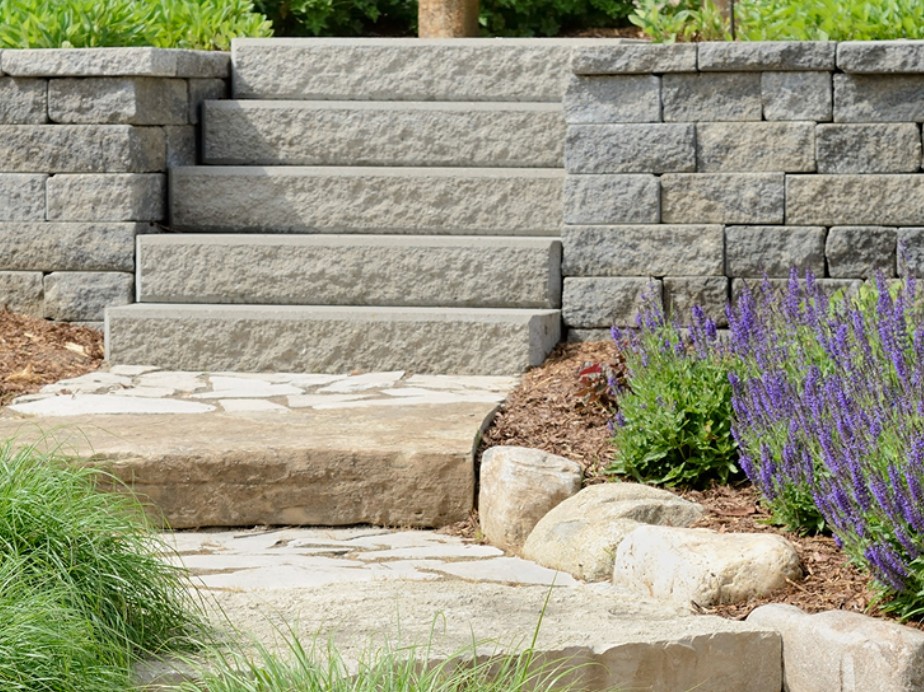
You've invested thousands of dollars in a beautiful new patio. The stamped concrete looks amazing, the fire pit is perfect for summer evenings, and your backyard has finally become the outdoor living space you've always dreamed of.
Then Minnesota winter arrives. Temperatures plunge to -20°F, snow piles up, and spring thaw brings relentless freeze-thaw cycles. By the time summer returns, you're staring at cracks spiderwebbing across your once-perfect patio. Within three years, sections are crumbling, the surface is flaking, and you're facing expensive repairs—or complete replacement.
This scenario plays out across the Twin Cities every year. Homeowners invest in hardscaping only to watch it deteriorate far faster than expected, wondering what went wrong.
At Christian Brothers Construction, we've been installing hardscaping features throughout the Minneapolis-St. Paul metro area for over 15 years. We've seen countless patios, retaining walls, and outdoor living spaces—both those that thrive for decades and those that fail within a few seasons. The difference isn't luck. It's understanding what Minnesota's climate demands and refusing to cut corners on materials, methods, and installation.
This comprehensive guide will help you understand why Minnesota is so hard on hardscaping, what causes premature failure, and—most importantly—how to create outdoor spaces that not only survive but thrive through decades of brutal Minnesota weather.
Why Minnesota Is Hardscaping's Worst Nightmare
Before discussing solutions, you need to understand the enemy: Minnesota's unique combination of climate challenges that test hardscaping like nowhere else in the country.
Extreme Temperature Swings
Minnesota experiences some of the most dramatic temperature variations in the United States. We swing from summer highs exceeding 100°F to winter lows below -30°F—a temperature range of 130+ degrees.
These extreme swings create constant expansion and contraction in concrete and masonry:
Heat expansion: When temperatures soar, concrete expands. The molecules spread out, materials push against each other, and stress builds at joints and edges.
Cold contraction: When temperatures plummet, materials contract. Everything shrinks, pulling away from edges, creating gaps, and placing stress on weak points.
This constant expansion and contraction—happening not just seasonally but daily during spring and fall—creates micro-cracks that widen over time, eventually becoming structural failures.
The Freeze-Thaw Cycle From Hell
Minnesota's freeze-thaw cycles are relentless and destructive. Here's what happens:
- Water infiltration: Water enters concrete through tiny pores, cracks, or weak spots.
- Freezing and expansion: When temperatures drop below 32°F, that water freezes and expands by approximately 9% of its volume. Ice exerts tremendous pressure from inside the concrete.
- Cracking and damage: The expansion creates internal pressure that cracks concrete from the inside out, widening existing cracks and creating new ones.
- Thawing and refilling: When temperatures rise, ice melts, leaving larger voids that fill with more water during the next precipitation event.
- Repeat: This cycle happens over and over—sometimes daily during spring and fall when daytime temperatures rise above freezing but nighttime temperatures drop below.
Minnesota experiences anywhere from 70-100+ freeze-thaw cycles per year depending on location. Each cycle inflicts damage. Multiply that by years or decades, and you understand why inferior hardscaping fails so quickly here.
Moisture Abundance
Minnesota isn't just cold—it's wet. We receive substantial precipitation year-round:
- Heavy spring rains (often 3-5 inches per month)
- Summer thunderstorms
- Fall saturation before ground freeze
- Winter snow accumulation
All this moisture needs somewhere to go. If your hardscaping doesn't have proper drainage designed into it, water accumulates, saturates the soil beneath concrete, undermines support, and creates freeze-thaw damage from within.
Clay Soil That Holds Water
Nearly every Twin Cities property sits on clay-rich soil. Clay creates two major hardscaping challenges:
Non-porous drainage: Clay doesn't allow water to drain through it naturally. Water that should percolate down through the soil instead sits at the base of your patio or retaining wall, saturating everything.
Expansion and contraction: Clay expands dramatically when wet—sometimes by 10-15% of its volume. This expansion pushes against hardscaping from below and from the sides, creating pressure that causes cracking and shifting.
When clay dries during summer, it contracts, leaving voids and unstable support beneath concrete surfaces. This expansion-contraction cycle compounds the problems created by freeze-thaw.
Seasonal Ground Heaving
During winter, moisture in the soil freezes, causing the ground itself to heave upward. This frost heaving can lift concrete slabs, shift retaining walls, and crack rigid hardscaping features.
Come spring, the ground thaws and settles—but not always evenly. Differential settlement creates unlevel surfaces, cracks, and structural problems.
UV Exposure and Weathering
Don't underestimate summer's contribution to hardscaping deterioration. Intense UV radiation degrades sealers and surface treatments, intense heat stresses materials, and rapid temperature changes (like afternoon thunderstorms cooling sun-baked concrete) create thermal shock.
Why Cheap Hardscaping Fails Fast in Minnesota
Walk through any Twin Cities neighborhood and you'll see the evidence: patios crumbling after just 3-5 years, retaining walls leaning and failing, decorative concrete surfaces flaking and spalling.
These premature failures aren't just bad luck—they're the predictable result of corners cut during installation.
The Concrete Mix Matters More Than You Think
Here's something most homeowners don't know: not all concrete is created equal. In fact, the quality of the concrete mix is one of the biggest factors determining whether your hardscaping lasts 5 years or 50.
The moisture content problem:
Concrete contractors face a fundamental choice: use wetter or drier concrete mixes.
Wetter mixes are significantly easier to work with. They pour smoothly, level easily, and require less skill and effort to finish. For contractors focused on speed and winning low-bid projects, wet mixes are tempting.
The problem? Excess water in concrete causes aggregate (the stones and gravel that provide strength) to settle to the bottom while lighter cement rises to the top. This creates a weak cement layer at the surface that chips, cracks, and flakes far faster than properly mixed concrete.
Think of it like baking a cake—if you add too much liquid, the heavy ingredients sink and the texture becomes weak and crumbly. The same happens with concrete.
Drier mixes require significantly more skill and effort to work with. They're harder to pour, more difficult to level, and demand experienced crews who know proper finishing techniques. But drier mixes keep aggregate properly distributed throughout the concrete, creating uniform strength and durability.
At Christian Brothers Construction, we deliberately use drier concrete mixes even though they're harder to work with. It's the right approach for Minnesota's climate, and it's one reason our hardscaping lasts decades while competitors' work fails within a few years.
Aggregate Quality and Sourcing
Beyond moisture content, the aggregate itself matters enormously. High-quality aggregate that's properly graded, free from contaminants, sourced from reputable suppliers, and tested for Minnesota climate suitability provides long-term protection against concrete degradation.
Low-quality aggregate can contain materials that react poorly to freeze-thaw cycles, creating internal stress that leads to "micro explosions"—tiny failures within the concrete that accelerate deterioration.
Christian Brothers sources aggregate carefully from suppliers proven to deliver materials that withstand Minnesota's harsh conditions. It costs more than grabbing whatever's cheapest, but it's the difference between concrete that lasts and concrete that fails.
Fortified Concrete Mixes
For critical applications like retaining walls, outdoor steps, and structural elements, we use fortified concrete mixes—concrete enhanced with additional Portland cement, specific admixtures that improve freeze-thaw resistance, air entrainment for improved durability, and fiber reinforcement for crack resistance.
Standard concrete mixes meet minimum building codes, but "meets code" isn't the same as "optimal for Minnesota." Fortified mixes cost more but provide dramatically better performance over decades.
Inadequate Reinforcement
Concrete is strong in compression but weak in tension. Without proper reinforcement, it cracks under stress.
Minimum reinforcement:
- Rebar grid in concrete slabs
- Control joints at proper spacing
- Edge reinforcement
- Wire mesh in appropriate applications
What cheap contractors skip:
- Adequate rebar spacing (they use less to save money)
- Proper placement depth (rebar thrown in carelessly doesn't help)
- Control joints spaced correctly (too few joints = uncontrolled cracking)
- Edge reinforcement (corners and edges fail first without it)
Reinforcement is invisible once concrete is poured, making it a tempting place for unscrupulous contractors to cut costs. You won't know it's inadequate until cracks appear years later.
Poor Site Preparation
What happens before concrete is poured often matters more than the pour itself.
Proper preparation includes:
Excavation to appropriate depth: Removing soil to reach stable subgrade and allow for proper base materials.
Compacted base material: Installing 4-6+ inches of compacted gravel or crushed stone that provides stable support, allows drainage, and resists frost heaving.
Proper grading: Ensuring base slopes away from buildings and provides drainage away from hardscaping features.
Soil stabilization: Addressing soft spots, organic material, or poor soil conditions before building on them.
What cheap contractors do:
- Pour directly on existing soil without proper base
- Use inadequate base thickness
- Fail to compact properly (loose base settles over time)
- Ignore drainage requirements
- Skip grading considerations
Poor site prep dooms hardscaping from day one. The concrete might look fine initially, but underlying problems inevitably cause failure.
Ignoring Drainage Integration
This is perhaps the most common and most catastrophic mistake: treating hardscaping as purely aesthetic rather than recognizing it as part of your property's water management system.
Proper drainage integration includes:
- Grading hardscaping surfaces to direct water away
- Ensuring patio slopes away from house (minimum 1/4 inch per foot)
- Installing drain systems where water accumulates
- Integrating with existing property drainage
- Creating pathways for water to escape rather than pool
- Considering how hardscaping affects water flow across entire property
What happens without proper drainage:
Water pools on or beneath hardscaping, saturates base materials, creates hydrostatic pressure from below, accelerates freeze-thaw damage, causes settling and shifting, and undermines structural integrity.
At Christian Brothers, our "from the foundation up" philosophy means we never install hardscaping without considering comprehensive water management. We've spent over 15 years doing foundation repair and basement waterproofing—we've seen firsthand what Minnesota water does to concrete and foundations. We build hardscaping accordingly.
Expansion Joints and Control Joints
Concrete will crack—that's inevitable. The question is whether cracks appear where you want them (at control joints) or randomly across surfaces.
Control joints are intentional weak points cut or formed into concrete that direct where cracks form. Properly spaced control joints prevent uncontrolled cracking and allow for thermal expansion/contraction.
Expansion joints are gaps filled with compressible material that allow adjacent concrete sections to expand and contract without damaging each other.
Cheap contractors often skip or inadequately space these joints, leading to random cracking that's both unsightly and structurally concerning.
No Sealing or Surface Protection
Quality concrete needs protection from the elements:
Proper sealing:
- Protects against water infiltration
- Reduces freeze-thaw damage
- Protects decorative finishes
- Extends concrete lifespan
- Enhances appearance
Sealing isn't a one-time event—it requires periodic reapplication (typically every 2-3 years depending on conditions and traffic).
Many contractors don't include proper sealing in their bids or use cheap sealers that fail quickly. The few hundred dollars saved on quality sealer costs thousands in premature concrete replacement.
What Quality Minnesota Hardscaping Looks Like
Now that you understand what causes failure, let's examine what success looks like: hardscaping designed and installed specifically for Minnesota's challenges.
The Christian Brothers Comprehensive Approach
When Christian Brothers takes on a hardscaping project, we don't just pour concrete or stack retaining wall blocks. We approach every project comprehensively, considering how it integrates with your entire property.
Step 1: Consultation and Site Assessment
We listen to your vision: what you want to create, how you'll use the space, and what your budget allows. Then we assess your property:
- Existing drainage patterns
- Soil conditions
- Grading and slope
- Proximity to house and foundation
- Existing hardscaping or concrete
- Sun exposure and environmental factors
This assessment identifies challenges and opportunities that inform our design recommendations.
Step 2: Comprehensive Design Planning
We don't just plan the patio—we plan how it integrates into your property's water management, how it affects drainage around your foundation, where water will flow during heavy rain, how grading will direct water safely away, and what long-term maintenance will be required.
This holistic approach comes from our extensive foundation repair and waterproofing experience. We understand how water behaves on Twin Cities properties, and we design accordingly.
Step 3: Proper Site Preparation
If you have existing concrete or hardscaping, we professionally remove it and haul it away. Then we prepare the site correctly:
Excavation: Dig to proper depth for base materials and finished height.
Soil compaction: Compact native soil to create stable subgrade.
Base installation: Install 4-6+ inches of crushed stone or gravel base material, compacting in lifts for maximum density and stability.
Grading: Ensure proper slope for drainage—both the base and the final surface.
Edge forms: Install forms at correct heights and grades to ensure proper finish.
This preparation work isn't visible in the final product, but it's where hardscaping longevity is truly built.
Step 4: Quality Materials and Proper Mix
We use concrete mixed to our specifications:
- Correct water-cement ratio (drier mixes for superior strength)
- High-quality aggregate from proven suppliers
- Fortified mixes when appropriate
- Air entrainment for freeze-thaw resistance
- Proper admixtures for Minnesota conditions
Yes, this costs more than using whatever concrete is cheapest that day. The price difference is small compared to the value of hardscaping that lasts decades rather than years.
Step 5: Proper Reinforcement
Every project gets appropriate reinforcement:
- Rebar grid at proper spacing and depth
- Control joints correctly spaced and cut to proper depth
- Expansion joints at building interfaces and where appropriate
- Edge reinforcement for corners and perimeters
- Wire mesh where beneficial
Reinforcement is engineered for the specific application, not just thrown in arbitrarily.
Step 6: Expert Installation and Finishing
Our experienced crews know how to work with drier concrete mixes. They understand proper finishing techniques, achieving correct surface texture for decorative applications, ensuring proper slope for drainage, creating clean edges and joints, and addressing issues as they arise during installation.
Quality installation can't be rushed. We take the time to do it right.
Step 7: Proper Curing and Protection
Concrete gains strength through proper curing—a chemical process that requires time, moisture, and appropriate temperatures. We protect freshly poured concrete, ensure proper curing conditions, and don't allow premature loading or use.
Rushing this process compromises concrete strength and longevity.
Step 8: Sealing and Protection
After appropriate curing time, we apply quality sealers:
- Penetrating sealers for deep protection
- Topical sealers for surface protection and enhancement
- Multiple coats where appropriate
- Proper drying time between coats
We also provide guidance on future maintenance and resealing schedules.
Decorative Stamped Concrete That Lasts
One of the most popular hardscaping options is decorative stamped concrete—and one of the most common disappointments when it's done poorly.
Stamped concrete offers enormous design flexibility. It can mimic expensive natural stone, brick pavers, slate, cobblestone, wood planking, and countless other patterns and textures. Available in a wide array of colors and finishes, it creates custom looks at a fraction of the cost of the materials it imitates.
Why stamped concrete often fails:
Surface layer is weak due to wet concrete mixes, improper curing compromises strength, inadequate sealing allows water infiltration, poor base preparation causes settling, and insufficient reinforcement leads to cracking through decorative patterns.
How Christian Brothers does stamped concrete right:
We use quality concrete mixes with proper aggregate distribution. We apply stamping patterns with experienced crews who understand both the artistry and the technical requirements. We reinforce appropriately with control joints positioned to complement decorative patterns. We seal with premium products that protect both the concrete and the decorative finish. We integrate with proper drainage so water doesn't undermine the installation.
Properly installed stamped concrete can provide 20-30+ years of beautiful, durable service in Minnesota's climate. It offers the elegant look of expensive materials with the durability of quality concrete—if it's done correctly.
Retaining Walls That Actually Retain
Retaining walls serve critical functions beyond aesthetics. They prevent erosion, create usable terraced spaces on sloped lots, manage water flow and drainage, and protect structures and foundations from soil pressure.
In Minnesota's freeze-thaw climate with expansive clay soil, retaining walls face enormous challenges.
Why retaining walls fail:
Inadequate drainage behind walls (hydrostatic pressure builds), poor base preparation (walls settle and shift), insufficient structural design (walls can't handle loads), clay soil expansion pressure (walls bow or lean), frost heaving (walls lift and displace), and missing or inadequate reinforcement (walls lack structural integrity).
How Christian Brothers builds retaining walls correctly:
Proper drainage: We install drainage systems behind walls—perforated drain pipe in gravel backfill that carries water away rather than allowing pressure to build.
Engineered base: We excavate to stable soil, install compacted gravel base, and create level footing for wall construction.
Quality materials: We use appropriate materials for the application—concrete blocks, natural stone, or poured concrete depending on height, load, and design requirements.
Proper backfill: We use free-draining gravel behind walls rather than clay soil that expands and creates pressure.
Reinforcement: For tall walls or heavy loads, we incorporate geogrid reinforcement, tiebacks, or other structural elements as engineered requirements dictate.
Integration with site drainage: We ensure retaining walls work with overall property drainage, directing water appropriately rather than creating new problems.
A properly built retaining wall in Minnesota should last 30-50+ years with minimal maintenance. Cheap retaining walls can fail within 5-10 years, creating expensive emergencies.
Outdoor Living Spaces: Patios, Fire Pits, and Entertainment Areas
The trend toward outdoor living spaces has exploded in recent years. Homeowners want to extend their living area outside, creating patios with seating areas, fire pit gathering spaces, outdoor kitchens and grilling stations, and entertainment zones for family and guests.
These features combine all the challenges we've discussed—they need durability for Minnesota weather, proper drainage integration, appropriate design for how they'll be used, and aesthetic appeal that complements your home.
Key considerations for outdoor living spaces:
Traffic patterns: Where will people walk? These high-traffic areas need extra attention to durability.
Fire safety: Fire pits and fireplaces require proper clearances, heat-resistant materials, and consideration for smoke and ember management.
Utilities: Gas lines for fire features, electrical for lighting, and water for outdoor kitchens all need proper installation.
Integration with landscape: How does hardscaping blend with plantings, lawn areas, and existing features?
Seasonal use: How will you use the space across seasons? Winter snow removal? Spring drainage? Summer shade? Fall entertaining?
Christian Brothers designs outdoor living spaces that work year-round, combining the technical requirements for Minnesota durability with the aesthetic vision that makes your outdoor space somewhere you actually want to spend time.
The True Cost: Cheap vs. Quality Hardscaping
Let's talk about what hardscaping actually costs—not just upfront, but over time.
The Low-Bid Trap
You get three quotes for a new patio:
- Contractor A: $8,000
- Contractor B: $12,000
- Christian Brothers: $15,000
Contractor A wins based on price. They pour your patio, it looks decent, and you feel good about saving $7,000.
Three years later, you notice cracks. Five years later, sections are crumbling. Seven years later, you need a complete replacement.
Your actual cost:
- Initial install: $8,000
- Repairs (year 3): $2,000
- More repairs (year 5): $3,000
- Complete replacement (year 7): $10,000
- Total spent over 7 years: $23,000
If you'd chosen Christian Brothers:
- Initial install: $15,000
- Maintenance resealing (year 3): $500
- Maintenance resealing (year 6): $500
- Total spent over 7 years: $16,000
- And you have a patio that will last another 20+ years
The "cheap" option cost $7,000 more and still left you with an inferior product. This scenario plays out constantly across the Twin Cities.
The Hidden Costs of Failed Hardscaping
Beyond replacement costs, failed hardscaping creates other problems:
Property damage: Water drainage problems from failed patios can cause foundation issues, basement flooding, and landscape erosion—problems that cost tens of thousands to repair.
Decreased home value: Failed, crumbling hardscaping makes your home look poorly maintained and can decrease property value more than the cost to fix it.
Safety hazards: Uneven, cracked surfaces create trip hazards that can lead to injuries and liability.
Frustration and stress: Living with deteriorating outdoor spaces and facing expensive repairs creates ongoing frustration.
The ROI of Quality Hardscaping
Properly installed hardscaping provides returns beyond avoiding replacement costs:
Increased property value: Quality outdoor living spaces can add 15-20% to home value and make properties more attractive to buyers.
Extended usable space: You gain valuable square footage for family activities and entertainment.
Reduced maintenance: Quality installation requires less ongoing maintenance and repair.
Decades of enjoyment: The real value is 20-30+ years of beautiful, functional outdoor spaces where memories are made.
Peace of mind: Knowing your investment won't fail in a few years provides psychological value that's hard to quantify.
Questions to Ask Potential Hardscaping Contractors
When evaluating hardscaping contractors, ask these specific questions:
About Materials and Methods
- What water-cement ratio do you use in your concrete mixes? (They should be able to answer specifically—if they can't or won't, that's a red flag)
- Where do you source your aggregate, and how do you ensure quality? (Quality contractors have specific suppliers and can explain their standards)
- Do you use fortified concrete mixes, and when? (Understanding when standard vs. fortified mixes are appropriate shows expertise)
- How do you handle reinforcement? (Ask about rebar spacing, control joint placement, and edge reinforcement specifics)
- What's your base preparation process? (Should include specific depths, compaction methods, and materials used)
About Drainage and Water Management
- How do you integrate hardscaping with property drainage? (This is critical—they should have a comprehensive answer)
- How do you ensure water drains away from the house? (Should discuss grading, slope percentages, and drainage pathways)
- Do you install drainage systems with retaining walls? (The answer better be yes)
- How do you address clay soil conditions? (Should demonstrate understanding of Minnesota soil challenges)
About Installation and Quality
- What's your typical curing process? (Should discuss time, protection, and appropriate conditions)
- What sealing products do you use? (Quality contractors use specific premium products they can name)
- Do you provide a warranty, and what does it cover? (Warranty terms reveal confidence in workmanship)
- Can you provide references from projects 5+ years old? (Long-term performance is what matters)
Red Flags to Watch For
- Unwillingness to answer specific technical questions
- Vague answers about materials or methods
- Significantly lower bids than other contractors (they're cutting corners somewhere)
- No discussion of drainage or water management
- Pressure to decide quickly or sign immediately
- No examples of long-term work quality
- Reluctance to provide detailed written proposals
- No licensing or insurance documentation
Maintaining Your Minnesota Hardscaping
Even quality hardscaping requires maintenance to maximize lifespan:
Seasonal Maintenance
Spring:
- Clean surfaces after winter salt and debris
- Inspect for any damage from winter freeze-thaw
- Reseal if needed (typically every 2-3 years)
- Check drainage and clear any blocked areas
Summer:
- Clean regularly to prevent staining
- Address any weeds in joints promptly
- Monitor for any settling or shifting
- Ensure irrigation doesn't oversaturate areas
Fall:
- Clean thoroughly before winter
- Check and repair any damage before ground freezes
- Clear leaves and organic debris
- Prepare drainage for winter runoff
Winter:
- Use ice melt products safe for concrete
- Snow removal should avoid metal shovels or plows on decorative surfaces
- Clear drainage pathways for snowmelt
- Monitor for any ice damming issues
Long-Term Care
- Reseal every 2-3 years (more often for high-traffic areas)
- Address cracks or damage promptly—small problems caught early cost far less than major repairs
- Keep drainage systems clear and functioning
- Trim vegetation that could damage hardscaping
- Monitor for settling or shifting and address causes
When to Call Professionals
Some situations require professional assessment:
- Cracks wider than 1/4 inch
- Settling or sinking sections
- Drainage problems affecting hardscaping
- Retaining wall movement or leaning
- Surface spalling or deterioration
- Water pooling or poor drainage
Early professional intervention often prevents small problems from becoming expensive failures.
The Christian Brothers Difference in Twin Cities Hardscaping
At Christian Brothers Construction, hardscaping isn't just one service among many—it's an extension of our core expertise in concrete, foundation work, and water management.
Our Unique Perspective
Our foundation repair and basement waterproofing background gives us insights most hardscaping contractors don't have. We've seen what Minnesota water does to concrete and foundations over time. We understand the interconnection between hardscaping, drainage, and property health. We know that shortcuts in concrete work lead to expensive failures.
This perspective shapes every hardscaping project we take on. We're not just creating pretty patios—we're building outdoor features that integrate properly with your home's overall structure and water management.
Our Commitment to Quality
We're committed to doing hardscaping the hard way—the right way:
- Using drier concrete mixes that require more skill but provide superior durability
- Sourcing quality aggregate from proven suppliers
- Installing proper base and preparation even though it's more time-consuming
- Integrating comprehensive drainage even when cheaper competitors skip it
- Employing experienced crews who understand both artistry and engineering
- Standing behind our work with real warranties
Our Service Area
Christian Brothers proudly serves the entire Twin Cities metro area from our Burnsville location, including Minneapolis, St. Paul, Bloomington, Edina, Eden Prairie, Eagan, Lakeville, Apple Valley, Farmington, Prior Lake, and communities throughout the south metro region.
We understand Twin Cities clay soil conditions, climate challenges specific to our region, local building requirements and best practices, and what it takes for hardscaping to last decades in Minnesota.
Take the First Step Toward Hardscaping That Lasts
If you're planning hardscaping for your Twin Cities property—whether a new stamped concrete patio, retaining walls, outdoor living spaces, or concrete walkways and driveways—you deserve a contractor who understands what Minnesota's climate demands and who refuses to compromise on quality.
Christian Brothers Construction brings over 15 years of concrete, masonry, and water management expertise to every hardscaping project. We combine technical knowledge with artistic vision to create outdoor spaces that are both beautiful and built to last.
Contact Christian Brothers Construction today at (952) 898-3559 to discuss your hardscaping vision. We'll provide honest assessment, transparent pricing, and a comprehensive plan for creating outdoor spaces that will serve your family beautifully for decades to come.
Don't gamble your investment on cheap contractors who'll leave you with crumbling concrete in a few years. Choose the contractor who understands Minnesota's challenges and has the expertise and integrity to build hardscaping the right way—from the foundation up.


