
Tuckpointing in Minnesota: When Your Home's Brick and Mortar Need Professional Attention
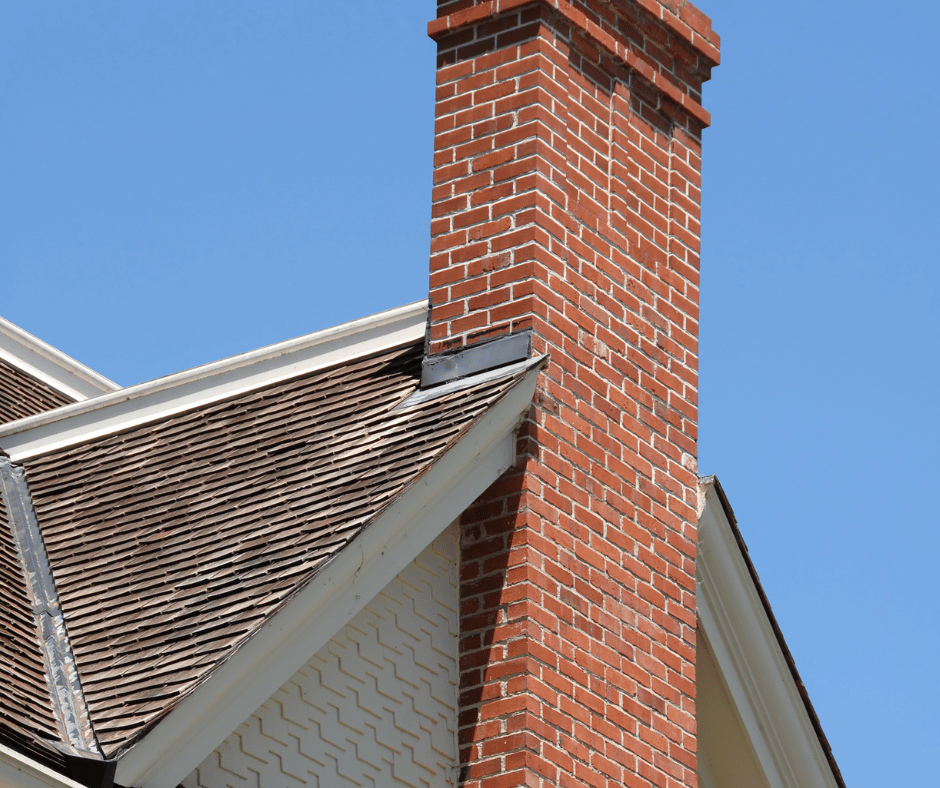
When you walk past your home's brick chimney or examine your brick foundation walls and notice deteriorating mortar joints, you're seeing more than just cosmetic damage. You're witnessing the early stages of masonry failure that, if left unaddressed, can lead to water infiltration, structural instability, and repair costs that escalate from hundreds of dollars to tens of thousands.
Tuckpointing is the process of grinding out deteriorated mortar joints and replacing them with fresh mortar that restores structural integrity and water-tightness to brick masonry. In Minnesota's brutal climate where freeze-thaw cycles attack mortar relentlessly, tuckpointing isn't optional maintenance—it's essential preservation work that determines whether your brick structures survive for another generation or slowly crumble into expensive ruins.
Christian Brothers Construction has been performing tuckpointing and masonry restoration throughout the Twin Cities for over 15 years. From historic brick homes in Minneapolis and St. Paul to chimneys throughout the south metro, we've restored thousands of mortar joints that Minnesota's weather was actively destroying. This guide explains everything Twin Cities homeowners need to know about tuckpointing, when it's necessary, what it costs, and why Minnesota's climate makes this work absolutely critical.
What Tuckpointing Actually Is (And Why It Matters)
Tuckpointing involves removing deteriorated mortar from the joints between bricks and replacing it with new mortar mixed to match the original in both composition and appearance. The name comes from a decorative technique where a finish line is "tucked" into the center of the mortar joint to create the illusion of finer brickwork, though modern tuckpointing typically focuses on restoring structural integrity rather than decorative appearance.
The mortar between bricks serves two critical functions. First, it bonds the bricks together into a cohesive structural unit capable of bearing loads and resisting lateral forces. Second, it creates a weather-tight barrier that prevents water infiltration into the wall assembly. When mortar deteriorates, both of these functions fail, and the consequences cascade quickly.
Unlike the brick units themselves, which are fired in kilns and highly resistant to weathering, mortar is relatively soft and porous. This is actually by design—historic masons understood that mortar should be the sacrificial element in a brick wall, deteriorating preferentially while protecting the more expensive and difficult-to-replace bricks. Modern tuckpointing continues this tradition by using mortar compositions that are slightly softer than the surrounding brick.
The problem arises when mortar deterioration goes unaddressed for too long. What starts as minor erosion at the surface progressively deepens, allowing water to penetrate behind the brick facing. In Minnesota's climate, that water freezes and expands during winter, creating forces that dislodge bricks, widen joints, and accelerate deterioration at an exponential rate.
Why Minnesota's Climate Destroys Mortar So Aggressively
Minnesota's freeze-thaw cycle is one of the most destructive forces acting on building materials anywhere in the United States. We routinely experience 40-80 freeze-thaw cycles each winter, compared to 10-20 in milder climates. Each cycle inflicts cumulative damage that eventually overwhelms even well-maintained masonry.
The process works like this: Water infiltrates mortar joints through microscopic pores and hairline cracks. When temperatures drop below freezing, that water expands approximately 9% as it transitions to ice. This expansion creates tremendous internal pressure within the mortar—enough to exceed the tensile strength of the material and cause it to spall, crack, or crumble.
During a single winter, mortar might experience dozens of freeze-thaw cycles. Each cycle causes incremental damage. A mortar joint that looks solid in fall can literally crumble to powder by spring after enduring months of repeated freezing and thawing. This is why Minnesota homeowners often discover serious mortar deterioration during spring inspections when winter's damage becomes fully visible.
The moisture that fuels freeze-thaw damage comes from multiple sources. Rain and snow obviously contribute, but so does condensation from temperature differentials between the warm interior and cold exterior of buildings. Brick chimneys are particularly vulnerable because the warm flue gases create temperature gradients that cause condensation within the masonry assembly itself.
Minnesota's temperature swings amplify the problem. A late winter warm spell that brings daytime temperatures into the 40s and 50s saturates mortar with melting snow and rain. When temperatures plunge back below freezing overnight, all that absorbed water becomes ice, inflicting massive damage in a single cycle. These rapid temperature fluctuations are more destructive than consistently cold winters where water remains frozen continuously.
Signs Your Home Needs Tuckpointing
Identifying mortar deterioration early dramatically reduces repair costs and prevents secondary damage. Here's what Twin Cities homeowners should watch for.
Visible Mortar Erosion
The most obvious sign is mortar that has eroded back from the face of the bricks, creating recessed joints. Run your finger along mortar joints—if the mortar is soft enough to crumble or scratch away easily, it has lost its structural integrity and needs replacement. Healthy mortar should be hard and difficult to mark even with a metal tool.
Mortar erosion typically starts at exposed edges and corners where weather exposure is most severe. Chimney tops, wall corners, and areas where overhanging eaves don't provide protection deteriorate first. Check these vulnerable areas annually because deterioration accelerates once it starts.
Cracks in Mortar Joints
Hairline cracks in mortar joints signal the beginning of failure. These cracks allow water infiltration that accelerates deterioration through freeze-thaw cycles. What looks like minor cosmetic cracking can widen dramatically over a single winter season as absorbed water freezes and expands.
Cracks that run horizontally along joints indicate mortar failure. Cracks that run through bricks themselves usually indicate more serious structural movement that may require investigation beyond simple tuckpointing.
Loose or Missing Bricks
When mortar deteriorates severely, bricks lose their bonding and can become loose or fall out entirely. This is particularly dangerous on chimneys where loose bricks can fall from significant heights. Any brick that can be wiggled by hand indicates advanced mortar failure requiring immediate attention.
Missing bricks leave cavities that allow water to penetrate deep into the wall assembly. This water can damage interior walls, ceiling materials, and create conditions for mold growth. The longer cavities remain open, the more extensive the water damage becomes.
White Residue on Brick Surfaces (Efflorescence)
Efflorescence is the white powdery deposit that appears on brick surfaces when water-soluble salts migrate through the masonry and crystallize on the surface. While efflorescence itself isn't harmful, its presence definitively proves that water is moving through your brick assembly—and where water goes, freeze-thaw damage follows.
Efflorescence typically appears after wet periods when water has saturated the masonry and then evaporated, leaving salt deposits behind. Persistent efflorescence indicates ongoing water infiltration that will cause progressive mortar deterioration if not addressed.
Water Stains or Interior Damage
Water staining on interior walls adjacent to brick chimneys or on ceilings below brick chimneys indicates that deteriorated mortar is allowing water penetration. By the time water appears inside your home, the exterior mortar damage is typically quite advanced.
Check attic spaces around chimneys for water staining on wood framing or insulation. Chimneys that leak into attics cause rot in roof framing that can be extraordinarily expensive to repair, making early tuckpointing a bargain compared to structural wood replacement.
Mortar That's Significantly Recessed
Measure the depth of your mortar joints. If mortar has eroded more than 1/4 inch back from the face of the bricks, tuckpointing should be scheduled soon. Once erosion exceeds 1/2 inch deep, the deterioration typically accelerates because the recessed joint traps more water and provides less structural bonding between bricks.
Deep erosion also makes tuckpointing more difficult and expensive because more mortar material is required to fill the joints, and the damaged brick edges may need additional preparation work before new mortar can be properly bonded.
The Tuckpointing Process: How Christian Brothers Approaches the Work
Proper tuckpointing is skilled craftsmanship that requires understanding both traditional masonry techniques and modern materials science. Here's how we approach tuckpointing projects.
Step 1: Mortar Analysis and Matching
Before removing any mortar, we analyze the existing mortar composition to determine what mix should be used for replacement. Historic mortar formulations varied significantly based on when buildings were constructed and what materials were locally available. Using replacement mortar that doesn't match the original in strength and composition can cause new problems.
Mortar mixes are characterized by the ratio of lime, cement, and sand. Historic buildings often used lime-heavy mortars that are softer and more permeable than modern portland cement mortars. Replacing historic lime mortar with hard cement mortar can trap moisture within the brick assembly and actually accelerate brick deterioration—the exact opposite of what you're trying to achieve.
For chimneys and foundations, we also consider the exposure conditions the mortar will face. Mortar used at chimney crowns needs enhanced weather resistance because it endures direct exposure to driving rain and snow. Foundation mortar must resist moisture migration from soil contact while accommodating some seasonal movement as the ground freezes and thaws.
Step 2: Deteriorated Mortar Removal
Removing deteriorated mortar without damaging the surrounding bricks requires skill and the right tools. We use grinders equipped with diamond blades to cut precisely along the center of mortar joints to a depth of approximately 3/4 to 1 inch. This depth provides adequate bonding surface for new mortar while minimizing brick damage.
The grinding process generates significant dust, so we use dust extraction equipment and take measures to protect landscaping and adjacent property. For projects near occupied living spaces, we coordinate work timing to minimize disruption.
After grinding, we use hand tools to clean remaining debris from the joints. This cleaning is critical because new mortar won't bond properly to dusty or contaminated surfaces. We blow joints clean with compressed air and sometimes wet them slightly to control dust and improve bonding conditions for the fresh mortar.
Step 3: Mortar Mixing and Application
We mix tuckpointing mortar in small batches to ensure consistency and prevent the material from setting before application. The mortar consistency is critical—too wet and it slumps out of joints; too dry and it doesn't bond properly or compact fully into the joint profile.
Mortar is applied using specialized tuckpointing trowels that allow precise placement into the prepared joints. We compact the mortar firmly into the joint to eliminate voids and ensure complete contact with both brick surfaces. Proper compaction is essential for structural bonding and weather resistance.
For joints deeper than one inch, we apply mortar in multiple lifts, allowing each layer to firm up slightly before adding the next. This prevents slumping and ensures uniform compaction throughout the joint depth. The final mortar surface is struck to match the profile of surrounding original joints, creating proper drainage away from the brick faces.
Step 4: Curing and Finishing
Mortar curing is the chemical process where cement and lime hydrate and develop strength. Proper curing requires moisture control for at least 3-7 days after installation. In Minnesota's variable weather, this means we sometimes need to protect fresh mortar from direct sun, wind, or frost that can compromise the curing process.
We may mist fresh mortar periodically during hot weather to prevent too-rapid drying that causes shrinkage cracking. In cold weather, we monitor temperatures and protect fresh work from freezing until it has cured sufficiently to resist frost damage.
Once cured, we clean residual mortar from brick faces using brushes and, if necessary, mild acid solutions that dissolve mortar smears without harming the brick. This final cleaning restores the masonry to a finished appearance that should last for decades.
Step 5: Supplementary Repairs
Tuckpointing projects often reveal additional problems that need attention. Deteriorated chimney crowns, damaged flashing, spalled bricks, or structural cracks may require repairs beyond just mortar joint replacement.
We document these additional issues and discuss them with homeowners so you can make informed decisions about how comprehensively to address problems. Sometimes, investing in more complete restoration makes sense to avoid repeated mobilization costs for returning to address problems incrementally.
When to Schedule Tuckpointing: Timing Matters in Minnesota
The ideal time for tuckpointing in Minnesota is late spring through early fall when consistent temperatures between 40-90°F allow proper mortar curing. We avoid tuckpointing during Minnesota winters because freezing temperatures prevent proper curing and can cause fresh mortar to fail.
Early spring and late fall work requires careful weather monitoring. We need at least 3-5 days of above-freezing temperatures following mortar installation to allow adequate curing before frost exposure. This weather window can be unpredictable in Minnesota, making mid-summer the most reliable time for tuckpointing projects.
However, timing your tuckpointing based solely on weather convenience can be a mistake if your mortar is actively failing. If you're seeing significant deterioration, rapid cracking, or loose bricks, scheduling tuckpointing as soon as weather permits is critical because every additional freeze-thaw cycle that damaged mortar endures causes exponentially more damage.
For chimneys, early fall tuckpointing makes sense because it completes the work before heating season when you'll be using your fireplace regularly. You don't want to discover chimney problems during the first cold snap when you try to light a fire and find that deteriorated mortar has created dangerous conditions.
How Tuckpointing Prevents Major Foundation and Chimney Failures
The connection between tuckpointing and foundation or chimney failures isn't always obvious to homeowners, but it's absolutely critical to understand. When mortar joints in brick foundations fail, water infiltrates behind the brick veneer and attacks the structural concrete or block foundation behind it. This water then enters your basement, creates hydrostatic pressure problems, and accelerates foundation deterioration.
For basement walls with brick exteriors, failed mortar joints are often the entry point for water that homeowners think is coming from other sources. We've assessed countless wet basement problems where tuckpointing the exterior brick eliminated moisture issues that homeowners thought required interior waterproofing or drain tile installation.
Chimney failures from deteriorated mortar are even more dramatic. Water that enters through damaged mortar joints leaks down into your home's interior, damaging walls and ceilings. It saturates the masonry assembly, making it vulnerable to freeze-thaw damage that can cause entire sections of chimney to separate and collapse.
We've responded to emergencies where chimney crowns literally fell off because the mortar securing them had completely deteriorated. These failures often happen during storms with high winds when the weakened assembly can't resist lateral forces. When a chimney crown fails, rain pours directly down the flue and into your home, causing massive water damage.
Beyond water infiltration, deteriorated mortar compromises structural integrity. Chimneys are essentially vertical cantilevers that rely on the bond between bricks for stability. When mortar fails, the chimney loses rigidity and becomes vulnerable to toppling during high winds or seismic events. We've seen chimneys lean visibly out of plumb because mortar deterioration has undermined their structural integrity.
Tuckpointing restores both the water barrier and structural bonding that mortar provides. It's preventive maintenance that stops small problems from becoming catastrophic failures. The cost difference between proactive tuckpointing and emergency chimney reconstruction or foundation repair is often 10-20 times higher for the emergency work.
What Tuckpointing Costs in the Twin Cities
Tuckpointing costs vary based on the scope of work, accessibility, and extent of deterioration. Here's what Twin Cities homeowners typically pay.
For chimney tuckpointing, expect costs ranging from $2,000 to $10,000 depending on chimney size, accessibility, and how much mortar needs replacement. A straightforward chimney where only portions of joints need repointing might cost $2,000-4,000. A large chimney requiring complete repointing from roofline to crown might cost $6,000-10,000.
Foundation wall tuckpointing is priced per square foot, typically ranging from $15-35 per square foot depending on wall height, accessibility, and whether excavation is required to access below-grade portions of the foundation. A typical foundation wall section might cost $3,000-8,000 to tuckpoint.
Accessibility significantly affects pricing. Work that requires scaffolding or lift equipment costs more than ground-level work because of equipment rental and setup time. Chimneys on three-story homes or steep roofs require more safety equipment and labor time, increasing costs.
The extent of deterioration also impacts pricing. If mortar is only superficially damaged, removal and replacement is straightforward. If mortar has deteriorated deeply or if bricks are damaged and need replacement, labor time and material costs increase. Projects where we encounter unexpected damage during mortar removal may require scope adjustments.
Price should never be your only consideration when choosing a tuckpointing contractor. The cheapest bidder often achieves low prices by using incorrect mortar mixes, inadequate joint preparation, or insufficient depth of mortar removal. These shortcuts create work that looks acceptable initially but fails within 2-5 years, requiring you to pay for the work again.
Quality tuckpointing performed with proper materials and techniques should last 20-40 years or more. Poor quality tuckpointing fails within a few years and may actually accelerate deterioration by trapping moisture or causing brick damage. The value of tuckpointing comes from the decades of protection it provides, not from the lowest possible price.
Why DIY Tuckpointing Usually Fails in Minnesota
Tuckpointing looks deceptively simple: remove old mortar, install new mortar, and you're done. But achieving results that actually perform in Minnesota's climate requires skills and knowledge that most homeowners don't possess.
The first stumbling block is mortar mixing. Hardware store mortar mixes are formulated for general use and may not match your specific brick and application. Using mortar that's too hard can damage brick. Using mortar that's too soft provides inadequate weather resistance. Getting the mix right requires understanding both historic masonry practices and modern materials.
Mortar removal without damaging bricks requires specialized tools and techniques. Homeowners using chisels or rotary tools often chip brick edges, widen joints beyond acceptable tolerances, or fail to remove mortar to adequate depth. These mistakes compromise the final repair and may cause brick damage that's expensive to fix.
Mortar application technique matters tremendously. Mortar must be compacted firmly into joints to eliminate voids and ensure bonding to both brick faces. Homeowners often apply mortar too wet (causing slumping and weakness) or fail to compact it adequately (leaving voids that trap water and fail during freeze-thaw cycles).
Finally, curing conditions are critical. Mortar that dries too quickly never develops full strength. Mortar exposed to freezing before adequate curing fails catastrophically. Professional masons understand curing requirements and take steps to protect fresh work, while homeowner projects often ignore these factors and suffer premature failure.
We see the results of failed DIY tuckpointing regularly. Mortar that falls out within months, bricks damaged during mortar removal, and water infiltration problems that persist despite "repairing" joints. Homeowners who attempt DIY tuckpointing often end up paying professionals to fix both the original problem and the damage caused by improper DIY techniques.
How Tuckpointing Fits into Comprehensive Home Maintenance
Tuckpointing isn't an isolated repair—it's one component of comprehensive masonry maintenance that keeps your home's brick structures functional and water-tight for generations.
Chimney maintenance includes tuckpointing mortar joints, repairing or replacing chimney crowns, maintaining flashing where the chimney penetrates the roof, and inspecting flue liners for damage. These components work together as a system, and neglecting any one element compromises the entire assembly.
Foundation maintenance includes tuckpointing exterior brick, managing drainage to keep water away from foundation walls, maintaining proper grading, and addressing any structural cracks or movement. The tuckpointing keeps water out, while proper drainage ensures water never accumulates against the foundation in the first place.
For homes with brick exteriors or brick accent features, tuckpointing maintains both appearance and weather protection. Failed mortar joints create dark streaks from water staining, efflorescence deposits, and an overall deteriorated appearance that dramatically impacts curb appeal and property value.
Developing a maintenance schedule for your masonry helps you stay ahead of problems. Inspect mortar joints annually, ideally in spring after winter damage becomes visible. Document any changes with photos so you can track whether deterioration is progressing. Schedule tuckpointing before damage becomes severe, which minimizes costs and prevents secondary problems.
Christian Brothers' Approach: Comprehensive Solutions, Not Quick Fixes
When you call Christian Brothers for tuckpointing assessment, we don't just look at mortar joints in isolation. We examine the entire assembly to understand what's causing deterioration and what additional work might be needed to achieve lasting results.
If we're assessing a chimney, we inspect the crown for cracks, examine flashing for proper installation and condition, check interior flue liner condition, and evaluate the overall structural stability. If mortar deterioration is accompanied by a failed crown or damaged flashing, we'll explain how addressing all the problems together provides better long-term value than patching just one issue.
For foundation walls, we assess drainage conditions, look for signs of water infiltration, and evaluate whether foundation movement or settlement might be contributing to mortar joint failure. Sometimes, foundation problems require more than just tuckpointing—they need comprehensive water management solutions or structural repairs that address root causes.
This comprehensive approach reflects our "from the foundation up" philosophy. We're not trying to maximize sales by selling unnecessary work, but we're also not going to patch one problem while ignoring related issues that will cause failures within a few years. We want to solve problems correctly so they stay solved.
We provide transparent pricing, honest assessments, and clear explanations of what work is necessary versus optional. We respect that homeowners need to make decisions that fit their budgets, and we're willing to phase work over time if that's what makes sense for your circumstances.
Preserving Twin Cities Historic Brick: Why Tuckpointing Matters
The Twin Cities region has thousands of historic brick homes built between 1880 and 1950 using masonry techniques that created structures meant to last centuries. These homes are architectural treasures that represent craftsmanship and materials quality that's rare in modern construction.
Tuckpointing is essential preservation work that keeps these historic structures intact for future generations. When we tuckpoint a 1920s brick home in Minneapolis or restore a historic chimney, we're not just preventing water damage—we're preserving irreplaceable architecture and maintaining neighborhood character.
Historic preservation requires special care. We analyze original mortar to match both composition and appearance. We respect original craftsmanship and construction techniques. We use materials and methods that are compatible with historic masonry rather than imposing modern materials that may cause problems.
For homeowners with historic properties, proper tuckpointing maintains your home's authenticity and preserves its value. Historic homes command premium prices when they're well-maintained, and failing to address mortar deterioration can dramatically reduce marketability and value.
Taking Action: When to Call Christian Brothers for Tuckpointing
If you're seeing mortar erosion, cracking joints, efflorescence, or loose bricks, don't wait. Every freeze-thaw cycle that damaged mortar endures causes additional deterioration that increases repair costs and risks secondary damage.
Call Christian Brothers at (952) 898-3559 for a comprehensive masonry assessment. We'll inspect your brick structures, identify any deterioration, explain what's causing problems, and provide transparent pricing for repairs. Our consultations are free and include honest assessments about which problems need immediate attention versus which can be monitored.
We serve the entire Twin Cities metro from our Burnsville office, providing tuckpointing and masonry restoration services to homeowners from Minneapolis and St. Paul to all south metro communities. We've been performing this work for over 15 years, and we understand both Minnesota's unique climate challenges and the specific construction techniques used in different eras of Twin Cities construction.
Our goal is helping you make informed decisions that protect your home and preserve your masonry for decades to come. Whether you need limited spot tuckpointing or comprehensive chimney restoration, we'll provide expert craftsmanship using proper materials and techniques that perform in Minnesota's brutal climate.
From the foundation up, that's how we approach every masonry project. It's how we've earned our reputation throughout the Twin Cities, and it's how we'll approach your tuckpointing needs.
Visit cbctwincities.com or call (952) 898-3559 to schedule your free masonry assessment. Let's evaluate your brick structures and develop a plan that keeps them structurally sound and water-tight for generations to come.


