
Signs Your Basement Is Leaking: What Twin Cities Homeowners Need to Know
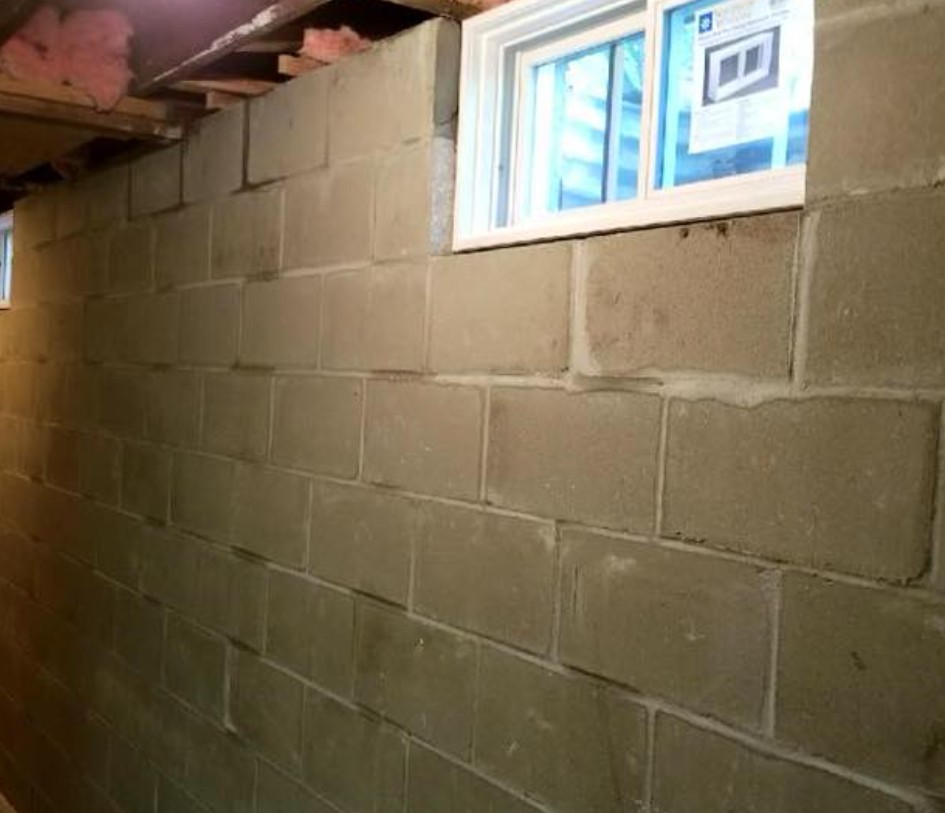
If you have a finished basement, discovering water problems can feel like detective work. Unlike unfinished basements where you can easily spot puddles on concrete floors or water trickling down foundation walls, finished spaces hide the evidence behind drywall, carpet, and paneling. By the time you notice something's wrong, water damage may have already taken hold.
At Christian Brothers Construction, we've helped hundreds of Twin Cities homeowners identify and resolve basement water problems over our 15+ years serving the Minneapolis-St. Paul metro area. We understand the unique challenges Minnesota's harsh climate creates for basements, and we know that early detection can save you thousands of dollars in repair costs.
This comprehensive guide will help you identify the warning signs of a leaking basement—even when the evidence isn't immediately obvious—and understand what to do next.
Why Basement Leaks Are a Serious Problem in Minnesota
Before we dive into the warning signs, it's important to understand why basement moisture is such a critical issue, particularly in our Minnesota climate.
Minnesota's notorious freeze-thaw cycle creates intense pressure on foundation walls. When temperatures drop below freezing, moisture in the soil expands, pushing against your foundation. When it thaws, that water has to go somewhere. This constant expansion and contraction, combined with our heavy spring rains and clay-rich soil, creates the perfect conditions for basement water intrusion.
A leaking basement isn't just an inconvenience—it's the beginning of potentially serious problems:
- Toxic black mold growth that threatens your family's health
- Structural damage to foundation walls and support beams
- Decreased home value and failed home inspections
- Damaged belongings including furniture, storage items, and irreplaceable memories
- Erosion problems around your foundation that get exponentially worse over time
- Musty odors that permeate throughout your entire home
The water drainage issues that cause wet basements become exacerbated with each freeze-thaw cycle, turning a minor seepage problem into a major structural concern. What starts as slight dampness can lead to basement walls that bow inward, cracks that widen with each season, and eventually—in extreme cases—catastrophic foundation failure.
The Challenge of Finished Basements
Here's the frustrating reality: finished basements are designed to look beautiful and provide additional living space, but that same finish work makes it nearly impossible to see water problems developing until significant damage has occurred.
When water seeps through foundation walls or floor seams in an unfinished basement, you see it immediately—puddles on the concrete floor, visible wet spots on block walls, or water trickling down during heavy rain. You can take action right away.
But when those same walls are covered with drywall, insulation, and paint, and when those floors are covered with carpet, tile, or laminate, the water damage happens silently, hidden from view. By the time you notice something's wrong, you may be dealing with extensive mold growth, rotted framing, ruined flooring, and compromised structural integrity.
That's why recognizing the subtle warning signs is so critical.
10 Warning Signs Your Basement Is Leaking
1. That Persistent Musty Odor
The smell often appears first. If you notice a musty, earthy, or damp smell when you walk downstairs—even if everything looks dry—you likely have moisture problems.
This odor comes from mold and mildew growing in hidden spaces: inside walls, under carpet padding, behind baseboards, or in ceiling cavities. Minnesota's clay soil holds moisture against foundation walls, creating the perfect environment for these organisms to thrive even when surface moisture isn't visible.
The smell may be stronger after rainfall, during spring thaw, or in specific areas of your basement. Some homeowners describe it as an "old house" smell or assume it's just how basements smell. It's not. A properly dry basement should never have a musty odor.
What to do: Don't try to mask the smell with air fresheners. The odor is telling you there's a moisture problem that needs to be addressed. Schedule a professional basement assessment to identify the water source before mold growth becomes a serious health hazard.
2. Visible Mold or Mildew Growth
While musty odors are often the first clue, visible mold or mildew confirms you have active moisture problems.
Look for:
- Dark spots or discoloration on walls, particularly near the floor
- Fuzzy or slimy growth in corners or along baseboards
- White, powdery efflorescence on concrete surfaces
- Black or green spots spreading across ceiling tiles
- Mold growing on stored items, especially cardboard boxes
Mold can appear quickly after water intrusion—sometimes within 24 to 48 hours. In finished basements, you might notice mold growth on painted drywall, around window frames, or spreading across ceiling tiles before you see any other signs of water.
In Minnesota homes, mold problems often spike during spring thaw when snowmelt saturates the soil around foundations, and during heavy rain periods when gutters and drainage systems become overwhelmed.
Important: Some molds produce harmful mycotoxins that can cause respiratory problems, allergic reactions, and other health issues. If you see significant mold growth, consider having your basement professionally tested and remediated.
3. Damp Spots on Floors or Walls
Even through carpet or other flooring, you can often detect dampness.
Feel for:
- Cool or cold spots when walking barefoot on carpet
- Areas that feel slightly spongy or soft underfoot
- Sections of carpet that never seem to fully dry
- Discoloration or darker patches on flooring materials
- Moisture that appears after rain but disappears during dry weather
The coolness happens because water evaporation creates a temperature difference. Even if the carpet surface feels dry to the touch, moisture trapped in the padding or subflooring beneath will feel noticeably cooler than surrounding dry areas.
On walls, damp spots might appear as:
- Darker patches on painted drywall
- Areas where wallpaper is bubbling or peeling
- Sections that feel cool or slightly damp to the touch
- Discoloration spreading from the floor upward
These damp spots typically appear near the base of foundation walls, at floor-wall seams, around basement windows, or in corners where water tends to accumulate. In Minnesota homes with clay soil, you might notice dampness concentrated on north-facing walls or the side of your home where gutters overflow or where yard grading slopes toward the foundation.
4. Cracks in Walls or Floors
Not all cracks indicate leaking, but any crack in your basement walls or floor provides a pathway for water intrusion.
Horizontal cracks are particularly concerning. They indicate serious pressure against your foundation walls—often from hydrostatic pressure created by saturated clay soil pushing inward. These cracks can widen over time and may signal that your basement walls are beginning to bow.
Vertical cracks are common in poured concrete foundations as the concrete cures and settles. While often less serious than horizontal cracks, they can still allow water to seep through, especially during heavy rain or spring thaw.
Stair-step cracks in concrete block or brick foundations suggest foundation settling or movement. Water can enter through the mortar joints and the cracks themselves.
Floor cracks near the wall-floor seam are especially problematic. This junction is a common entry point for water, particularly when hydrostatic pressure builds up beneath your basement slab.
Check cracks in painted drywall too. While these might seem like ordinary settling cracks, they could indicate that water is causing the foundation behind the drywall to shift or that moisture is compromising the drywall itself.
Critical warning: If you notice cracks in your basement walls getting larger over time, or if new cracks appear after spring thaw or heavy rain, don't wait to address the problem. Widening cracks suggest your foundation is under increasing stress from water pressure and soil movement.
5. Peeling or Bubbling Paint
Paint that peels, bubbles, or blisters on basement walls is a telltale sign of moisture problems.
When water vapor migrates through foundation walls—a process called efflorescence—it pushes against the paint from behind. The moisture breaks the paint's adhesion to the wall surface, causing it to bubble up or peel away in sheets.
You might notice:
- Paint that feels soft or spongy to the touch
- Bubbles that release water when punctured
- Paint peeling in large sections near the floor
- Chalky residue underneath peeling paint
- New paint failing shortly after application
Latex paint is particularly susceptible to moisture damage. If you've recently painted your basement walls and the paint is already peeling, it's almost certainly due to moisture coming through the foundation walls from outside.
The problem is especially common in Minnesota homes during spring when snowmelt saturates the soil around foundations. That moisture doesn't just pool against your basement walls—it actually migrates through concrete and block, bringing minerals with it that show up as white, chalky deposits (efflorescence) and causing paint to fail.
6. Warped or Damaged Wood
Wood is extremely sensitive to moisture. If you notice warped baseboards, paneling, or framing in your basement, you're dealing with ongoing water exposure.
Look for:
- Baseboards pulling away from walls
- Wood paneling that's warped, bowed, or cupped
- Door frames that are swollen or no longer square
- Floor joists or support beams showing signs of rot
- Wooden studs in finished walls that feel soft or crumbly
Warped wood often appears near the floor where moisture accumulates. You might notice baseboards that have swelled at the bottom, creating a gap at the top, or paneling that's developed a wavy appearance.
In severe cases, wood can develop soft rot or white rot, where the structural integrity of the lumber is compromised. Rotted support beams or floor joists are serious structural concerns that require immediate attention.
Pay special attention to wood that's in direct contact with concrete (like bottom plates of stud walls). This wood is especially vulnerable to moisture wicking up from damp concrete, even when there's no obvious standing water.
7. Efflorescence (White, Powdery Substance)
Efflorescence is that white, chalky, or crystalline substance you sometimes see on basement walls or floors. While it's not harmful in itself, it's a clear indicator that water is moving through your foundation.
When water passes through concrete or masonry, it dissolves salts and minerals from the material. As the water evaporates at the surface, it leaves these minerals behind as visible deposits.
Efflorescence tells you several things:
- Water is actively moving through your foundation walls
- The waterproofing on your foundation has failed or is inadequate
- You have ongoing moisture problems, even if you don't see standing water
- The problem will get worse without intervention
You'll most commonly see efflorescence on concrete block walls, poured concrete foundations, or brick masonry. It often appears as white streaks running down from cracks or as a powdery coating on large sections of wall.
Don't confuse efflorescence with mold. Efflorescence is white or gray and has a crystalline appearance; mold is typically black, green, or brown and has a fuzzy or slimy texture.
You can temporarily remove efflorescence by brushing it off or washing it away, but it will return as long as water continues moving through your foundation. The only permanent solution is addressing the water source.
8. Increased Humidity and Condensation
Basements naturally tend toward higher humidity, but excessive moisture in the air indicates water is entering your space.
Signs of high humidity include:
- Condensation on cold water pipes
- "Sweating" on walls or floors
- Fog or mist on windows
- Difficulty keeping basement dry despite running a dehumidifier
- Rust developing on metal objects or tools
- Books, paper, or cardboard feeling damp
In Minnesota, basement humidity problems often spike during spring and summer when warm, humid air enters the cool basement and condenses on cold surfaces. However, if you're running dehumidifiers constantly and still can't keep humidity under control, you likely have water infiltration through your foundation.
A simple hygrometer (humidity meter) can help you monitor basement humidity levels. Healthy humidity for living spaces is between 30-50%. If your basement consistently measures above 60%, you have moisture problems that need to be addressed.
Remember: dehumidifiers remove moisture from the air, but they don't stop water from coming through your foundation. They're a temporary Band-Aid, not a solution.
9. Rust or Corrosion on Metal Objects
Metal items in your basement—tools, nails, screws, appliances, or metal furniture—that develop rust or corrosion point to excessive moisture in the air.
While some rust is normal in any basement over time, rapid or extensive rusting suggests humidity levels are too high or that metal items are being exposed to water through condensation or occasional flooding.
Check:
- Metal shelving units developing rust at the base
- Tools showing corrosion despite being stored
- Nails or screws rusting in wood trim or framing
- Metal components of furnaces or water heaters showing rust
- Metal door frames or window frames corroding
Metal corrosion near the floor or on items stored directly on concrete is particularly telling. It suggests moisture is wicking up through the concrete slab or that water is periodically present at floor level—even if you've never noticed standing water.
10. Water Stains or Discoloration
Even if surfaces are currently dry, past water intrusion often leaves telltale stains.
Look for:
- Water lines on walls showing how high water has risen
- Yellow, brown, or rust-colored stains on walls or ceilings
- Discoloration around the perimeter of rooms near walls
- Staining on carpet or flooring materials
- Tide marks on concrete floors
- Discoloration on stored items, especially cardboard boxes
Water stains often appear as dark patches or rings that mark the high-water point from past flooding. Even if the basement appears dry now, these stains tell you water has been present and will likely return.
In finished basements, you might notice staining on ceiling tiles (indicating water dripping from above) or on carpet near walls (indicating seepage from foundation walls).
Don't ignore old stains. Water problems rarely resolve themselves. If your basement flooded once, it will likely flood again unless you address the underlying drainage and waterproofing issues.
Common Areas Where Water Problems Appear First
Understanding where to look for water problems can help you catch issues early:
Floor-Wall Seam (The Cove Joint)
The junction where your basement floor meets the walls is one of the most common entry points for water. This seam—called the cove joint—is where hydrostatic pressure from saturated soil often forces water into your basement.
Look for dampness, staining, or efflorescence along this seam, particularly after heavy rain or during spring thaw.
Basement Windows and Window Wells
Window wells can become collection points for water, especially if they lack proper drainage. Water that pools in window wells eventually finds its way through window frames and into your basement.
Check for:
- Water pooling in window wells
- Rust or rot around window frames
- Dampness or staining on walls beneath windows
- Gaps around window frames where water can enter
Utility Penetrations
Anywhere pipes, wires, or utilities enter your basement creates a potential pathway for water. Look for dampness around:
- Water supply lines
- Sewer lines
- Electrical conduit
- Utility meter locations
- Hose bibs or exterior faucets
Corners and Low Points
Water naturally flows to the lowest point and accumulates in corners. Check these areas carefully for signs of dampness, mold, or efflorescence.
Below-Grade Areas
If your home has sections where the basement extends below ground level on all sides (versus a walkout or daylight basement), those areas are most vulnerable to water pressure and infiltration.
What Causes Basement Leaks in Twin Cities Homes?
Understanding why basements leak helps you recognize warning signs and take preventive action.
Minnesota's Clay Soil
Clay soil is dense and non-porous, meaning it doesn't drain well. When clay becomes saturated from rain or snowmelt, it expands—sometimes significantly. This expansion creates tremendous hydrostatic pressure against foundation walls.
Think of it like a giant sponge being squeezed against your foundation. That pressure forces water through any crack, gap, or porous section of your foundation walls.
Nearly all Twin Cities homes sit on clay-rich soil, making proper drainage absolutely critical for basement health.
Freeze-Thaw Cycles
Minnesota's extreme temperature fluctuations create unique challenges:
- Water in soil freezes and expands during winter
- This expansion pushes against foundation walls
- When temperatures warm, ice melts and water seeks the path of least resistance—often into your basement
- Repeated freezing and thawing causes cracks to widen and water intrusion to worsen
The cycle is particularly brutal during spring when daytime temperatures rise above freezing but nighttime temperatures drop below freezing, causing ice to form and melt repeatedly.
Poor Drainage Around the Foundation
Many water problems stem from improper yard grading or inadequate drainage systems:
- Gutters that overflow or discharge water near the foundation
- Downspouts that dump water directly against the house
- Yard grading that slopes toward the foundation instead of away
- Missing or damaged gutters
- Landscaping that directs water toward the home
Even homes built with proper grading can develop drainage problems over time as soil settles and landscapes change.
Failed or Inadequate Waterproofing
Older homes often have minimal waterproofing on foundation walls. The waterproofing that does exist can deteriorate over time, leaving foundations vulnerable to water infiltration.
Many homes built before modern building codes have little more than a coating of tar on foundation walls—inadequate protection against Minnesota's harsh climate and clay soil conditions.
High Water Tables
Some areas of the Twin Cities have naturally high water tables, meaning groundwater sits relatively close to the surface. During wet seasons, the water table can rise above basement floor level, creating upward pressure that forces water through floor cracks and the cove joint.
Age and Deterioration
Foundations don't last forever. Concrete and masonry deteriorate over time, especially when subjected to Minnesota's extreme climate conditions. Homes built between 1900 and 1960—a significant portion of Twin Cities housing stock—often have foundations that have outlived their expected lifespan or were built using methods and materials that can't withstand modern understanding of water management needs.
What NOT to Do If You Suspect a Leak
Before we discuss solutions, let's talk about common mistakes homeowners make:
Don't Just Waterproof the Walls
This is the most common—and most costly—mistake. Painting waterproof coatings on basement walls when you already have moisture problems doesn't solve the issue; it makes it worse.
Here's why: if water is already pushing against your foundation walls from outside, sealing the inside creates higher pressure between the waterproof barrier and the external water source. That increased pressure can cause walls to bow inward, cracks to widen, and eventually structural failure.
Waterproofing walls is part of a comprehensive solution, but it should only happen AFTER you've addressed the water source and established proper drainage.
Don't Ignore Small Problems
That tiny crack in your basement wall? That slight dampness you notice occasionally? These small issues become big problems fast in Minnesota's climate.
Water follows the path of least resistance. Once it finds a way into your basement—even a tiny hairline crack—it will exploit that weakness. With each freeze-thaw cycle, the crack widens, more water enters, and the problem compounds.
Small problems caught early can often be addressed with relatively simple solutions. Large problems that develop from ignored small problems can require extensive structural repairs costing tens of thousands of dollars.
Don't Rely Solely on Dehumidifiers
Dehumidifiers remove moisture from the air, but they don't stop water from entering your basement. They're treating the symptom, not the cause.
If you're running dehumidifiers constantly just to keep your basement tolerable, you have a water infiltration problem that needs to be properly addressed.
Don't Fill Cracks Without Addressing the Cause
Injecting cracks with epoxy or hydraulic cement might temporarily stop water from coming through that specific crack, but it doesn't address why the crack formed or stop the pressure that caused it.
The water will simply find another path into your basement—usually creating a new crack adjacent to the one you filled. Meanwhile, the underlying problem (hydrostatic pressure, poor drainage, foundation movement) continues to worsen.
Immediate Steps You Can Take
If you suspect your basement is leaking, here are some steps you can take right away while you arrange for a professional assessment:
1. Inspect Your Gutters and Downspouts
Walk around your home during or immediately after a rainfall. Watch where water flows:
- Are gutters overflowing?
- Are downspouts discharging water right next to your foundation?
- Do you have missing gutter sections?
- Are gutters clogged with leaves and debris?
Clean gutters and extend downspouts at least 6-10 feet away from your foundation. This simple step can significantly reduce water infiltration.
2. Check Your Yard Grading
Your yard should slope away from your foundation at approximately 2% grade—that's about 2 inches of drop for every 10 feet of distance.
Look for:
- Low spots near your foundation where water can pool
- Areas where soil has settled, creating depressions
- Landscape features (flower beds, decorative borders) that dam water against your foundation
Add soil to create proper grading where needed. Avoid planting water-hungry plants near your foundation.
3. Examine Your Sump Pump
If you have a sump pump, verify it's working properly:
- Is it cycling on and off appropriately?
- Is the discharge line carrying water far enough from your foundation?
- Is the pit properly sized for your home's needs?
- Do you have a battery backup in case of power failure?
Sump pumps that run constantly indicate significant water infiltration. Pumps that never run might not be working or might not be necessary—or you may have water problems in areas the sump pit isn't addressing.
4. Address Window Well Drainage
If you have basement windows with window wells:
- Ensure the wells have proper drainage at the bottom
- Clear out leaves, debris, and sediment
- Check that window well covers are intact
- Verify wells aren't cracked or deteriorating
Consider installing window well covers to keep rain and snow out entirely.
5. Document Everything
Take photos of:
- Any visible water stains or damage
- Cracks in walls or floors
- Mold growth
- Efflorescence
- Damaged materials
These photos will help when discussing your situation with a foundation repair professional and can be valuable for insurance purposes.
When to Call a Professional
While the DIY steps above can help, basement water problems require professional assessment and solutions in most cases.
Contact Christian Brothers Construction for a comprehensive assessment if you notice:
- Water actively entering your basement
- Multiple warning signs from the list above
- Musty odors that persist despite running dehumidifiers
- Cracks that are widening or new cracks appearing
- Walls that appear to be bowing or shifting
- Mold growth that's spreading
- Water problems that return after temporary fixes
The Christian Brothers Comprehensive Assessment
At Christian Brothers Construction, we don't just look at surface symptoms. We take a comprehensive approach to identifying the root cause of your basement water problems.
Our assessment process includes:
1. Systematic Problem Identification
We systematically check all the possible culprits:
- Foundation wall condition and any cracks or deterioration
- Floor-wall seam integrity
- Exterior grading and drainage patterns
- Gutter and downspout effectiveness
- Soil conditions and clay content
- Window well drainage
- Sump pump capacity and performance
- Interior drainage systems (if present)
- Signs of hydrostatic pressure or foundation movement
2. Water Source Identification
Finding where water is entering is only part of the solution. We also identify WHY water is accumulating around your foundation:
- Is it surface water from poor grading?
- Is it groundwater from a high water table?
- Is it concentrated runoff from gutters or hardscaping?
- Is clay soil expansion creating pressure?
Understanding the source allows us to develop effective, lasting solutions.
3. Honest Assessment of Solutions
We believe in providing homeowners with options at different price points and explaining the long-term implications of each approach:
- Simple, cost-effective solutions for minor problems caught early
- Mid-level interventions for moderate water infiltration
- Comprehensive solutions for serious structural concerns
We'll never pressure you into more expensive solutions than your situation requires, and we'll never offer quick fixes that don't address underlying problems.
4. Creating Your Custom Scope of Work
Once we've completed our assessment, we work with you to create a scope of work that:
- Solves the entire problem, not just symptoms
- Fits within your budget
- Uses quality materials and proven methods
- Includes warranties on our workmanship
Why Minnesota Foundation Repair Requires Specialized Expertise
Foundation repair in Minnesota isn't like foundation repair in other climates. Our unique challenges require contractors who understand:
Clay Soil Behavior: How Minnesota clay expands when wet, creating massive pressure against foundations, and how to design drainage systems that account for this expansion.
Freeze-Thaw Impact: How repeated freezing and thawing accelerates foundation deterioration and what reinforcement methods withstand these cycles.
Water Management: How to create comprehensive drainage strategies that address Minnesota's heavy spring runoff, summer storms, and fall saturation before ground freeze.
Historic Construction Methods: How Twin Cities homes built between 1900-1960 were constructed, what their common weak points are, and how to reinforce aging foundations using modern techniques.
At Christian Brothers Construction, we've spent 15+ years specializing in Minnesota foundation repair. We understand how water behaves in our climate, how our soil conditions impact foundations, and how to create solutions that last through Minnesota's extreme weather conditions.
The Cost of Ignoring Basement Water Problems
We understand that foundation repair can seem expensive. But consider the cost of ignoring the problem:
Mold Remediation: Professional mold remediation can cost $500-$6,000 or more, depending on the extent of growth. Toxic mold exposure can cause serious health problems for your family.
Structural Repairs: Minor cracks that cost a few hundred dollars to repair properly can turn into bowing walls requiring $10,000-$30,000 in structural reinforcement if ignored.
Flooring Replacement: Water-damaged carpet, hardwood, or tile in finished basements can cost $3,000-$10,000 to replace.
Lost Home Value: Homes with known water problems are difficult to sell and typically sell for 10-20% less than comparable dry homes.
Damaged Belongings: The irreplaceable family photos, heirlooms, and memories lost to water damage have no price tag.
Health Costs: Medical expenses from mold exposure, respiratory issues, and allergies add up quickly.
Early intervention is always more cost-effective than major repairs after extensive damage.
Creating a Dry, Healthy Basement for Life
The good news is that basement water problems—even serious ones—can be solved permanently with comprehensive water management solutions.
A proper solution addresses multiple components:
Exterior Drainage: Ensuring water is carried away from your foundation through proper grading, gutter systems, and possibly exterior drain tile.
Interior Drainage: Installing interior drain tile and sump pump systems to manage water that does make it to your foundation, giving it a path away from your basement.
Foundation Waterproofing: Applying appropriate waterproofing methods to foundation walls—but only after drainage systems are in place.
Structural Reinforcement: Repairing cracks, reinforcing bowing walls, or rebuilding damaged sections of foundation as needed.
Humidity Control: Ensuring proper ventilation and dehumidification once water intrusion is stopped.
This comprehensive approach is what Christian Brothers Construction specializes in. We don't just patch cracks or apply waterproof coatings. We solve the underlying problem so you can enjoy a dry, healthy basement that adds value to your home instead of creating ongoing worry and expense.
Take Action Before It's Too Late
If you've noticed any of the warning signs discussed in this article, don't wait. Basement water problems in Minnesota homes never improve on their own—they only get worse with each passing season.
The spring thaw is particularly hard on Twin Cities basements. If you've made it through winter without obvious water problems, now is the time to have your basement assessed before next winter's snow accumulation creates major issues.
At Christian Brothers Construction, we're committed to helping homeowners "from the foundation up." We understand that dealing with basement water problems is stressful. We're here to provide honest assessments, fair pricing, and comprehensive solutions that give you peace of mind.
Contact Christian Brothers Construction for your free basement assessment. We serve the entire Twin Cities metro area from our Burnsville location, providing foundation repair, basement waterproofing, and drainage solutions to homeowners throughout Minneapolis, St. Paul, and surrounding communities.
Remember: a leaking basement isn't just about water—it's about protecting your home's structural integrity, your family's health, and your financial investment. The sooner you address water problems, the less expensive and less disruptive the solution will be.


