
How to Know If Your House Has Foundation Problems: A Twin Cities Homeowner's Guide
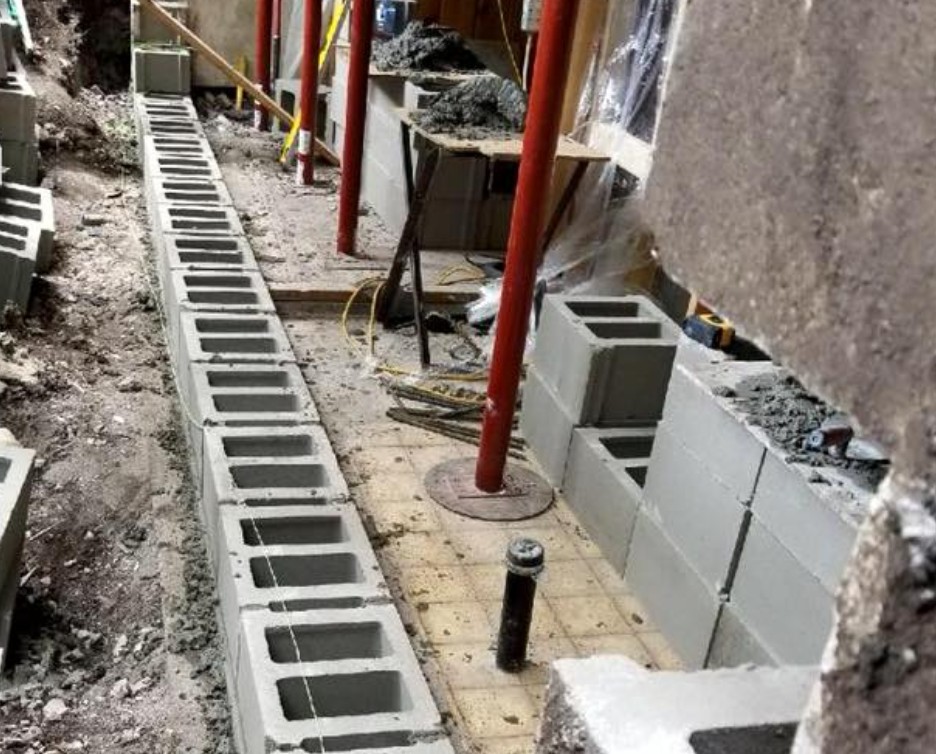
Your home's foundation is literally what everything else rests upon. When foundation problems develop, they don't just affect your basement—they compromise your entire home's structural integrity, safety, and value. The challenge is that foundation issues often develop gradually, with subtle warning signs that are easy to miss or dismiss until they become serious problems.
At Christian Brothers Construction, we've assessed hundreds of Twin Cities foundations over our 15+ years in business. We've seen how Minnesota's unique climate conditions—harsh freeze-thaw cycles, expansive clay soil, and extreme temperature fluctuations—create foundation challenges that homeowners in other regions simply don't face.
This comprehensive guide will help you identify foundation problems early, understand what causes them in Minnesota homes, and know when it's time to call a professional. Early detection can save you thousands of dollars and prevent minor issues from becoming structural emergencies.
Why Foundation Problems Are Especially Common in Twin Cities Homes
Before we discuss warning signs, it's important to understand why the Twin Cities metro area presents unique challenges for home foundations.
Minnesota's Clay Soil
Nearly every home in Minneapolis, St. Paul, and surrounding suburbs sits on clay-rich soil. While clay provides a stable base when dry, it becomes problematic when wet.
Clay soil is non-porous, meaning water doesn't drain through it easily. When clay becomes saturated from rain or snowmelt, it expands significantly—sometimes by as much as 10-15% of its volume. This expansion creates tremendous hydrostatic pressure against foundation walls.
Think of saturated clay like a sponge that's been fully compressed against your foundation. That pressure has to go somewhere. It pushes against foundation walls, forcing them to bow inward, creating cracks, and driving water into your basement through any weak point it can find.
Brutal Freeze-Thaw Cycles
Minnesota experiences some of the most extreme freeze-thaw cycles in the United States. Water in the soil freezes and expands during winter, then melts and contracts during thaw periods. This happens repeatedly throughout winter and especially during spring.
Each freeze-thaw cycle places stress on your foundation:
- Water in soil expands as it freezes, pushing against foundation walls
- Ice melts, allowing foundation walls to relax
- Water refreezes, expanding again and pushing even harder
- This cycle repeats dozens of times each winter
Over years and decades, these repeated expansion and contraction cycles cause cracks to form and widen, mortar joints to deteriorate, and foundation walls to gradually bow inward. Even modern foundations built to current code standards face these challenges—older foundations built with outdated methods and materials are especially vulnerable.
Aging Housing Stock
A significant portion of Twin Cities housing was built between 1900 and 1960. These homes are now 60-125 years old—well beyond the typical 50-75 year lifespan for foundations built with the construction methods and materials of that era.
Many older homes feature foundation types that aren't built to withstand Minnesota's climate conditions using modern standards:
- A-frame foundations (common in homes built 1900-1950s) where foundation walls are stacked at an angle like pyramid blocks, with minimal reinforcement
- Stone foundations that lack proper waterproofing and structural support
- Concrete block foundations with deteriorating mortar joints
- Early poured concrete foundations that used different concrete formulations than modern mixes
These foundations weren't designed to last 100+ years under Minnesota's harsh conditions. They're reaching the end of their functional lifespan, and many are showing signs of failure.
Settling and Shifting Over Time
All foundations settle to some degree after construction. In Minnesota's clay soil, this settling can be uneven, particularly if:
- Soil composition varies across the building footprint
- Drainage patterns have changed over decades
- Trees or landscaping have altered moisture patterns
- The water table has risen
- Poor drainage has created chronic saturation in certain areas
Uneven settling creates stress points where cracks develop and structural problems emerge.
12 Critical Warning Signs of Foundation Problems
Understanding the warning signs helps you catch problems early. Some signs are obvious; others are subtle. Any one of these warning signs warrants a professional foundation assessment.
1. Unlevel Walls and Ceilings
This is one of the most visible signs of serious foundation problems. As foundations settle or shift, they can no longer support the structure evenly, causing walls and ceilings to slope.
What to look for:
- Place a level against interior walls—if they're more than 1/4 inch off level over 4 feet, you have settling issues
- Look for gaps between walls and ceiling that get wider toward one end
- Notice if picture frames or mirrors hang at angles when hung level
- Check if rolling objects (balls, marbles) consistently roll toward one side of a room
- Observe whether door frames appear tilted rather than perfectly vertical
Unlevel floors and walls indicate that different parts of your foundation are settling at different rates. This differential settlement creates enormous stress on your home's structure and will only worsen over time.
Why it happens: Uneven foundation settling from poor soil conditions, water infiltration causing soil erosion beneath the foundation, or foundation walls that are bowing or failing create this unevenness.
2. Bowing or Bulging Basement Walls
Foundation walls that curve inward are experiencing tremendous pressure from outside—usually from saturated, expanding clay soil pushing against them.
What to look for:
- Stand at one end of a basement wall and sight down its length—does it curve inward?
- Check if walls that were once straight now have a visible bulge or bow
- Use a straight edge or string stretched along the wall to reveal bowing
- Measure from multiple points to confirm walls are moving inward
- Look for horizontal cracks that often accompany bowing walls
Bowing walls are serious structural problems. In severe cases, walls can eventually cave inward catastrophically, as happened to one of our clients whose basement wall suddenly collapsed under hydrostatic pressure, sending tons of clay and soil into their basement.
Critical warning: If you notice bowing walls getting worse—even slightly—this is an emergency situation. The wall is losing its battle against external pressure and could fail.
Why it happens: Hydrostatic pressure from saturated clay soil expands against foundation walls. Walls that lack adequate reinforcement or that have been weakened by age gradually bow inward under this constant pressure.
3. Doors That Don't Fit Properly
When doors that once operated smoothly suddenly stick, won't latch, or show gaps, foundation movement is often the culprit.
What to look for:
- Exterior doors that suddenly don't close properly or drag on thresholds
- Interior doors that stick at the top or bottom when opening
- Gaps appearing between doors and frames when closed
- Doors that swing open or closed on their own (indicating the frame is no longer level)
- Door hardware (latches, locks) that no longer align properly
- Visible gaps at the top of door frames on one side
As foundations shift, door frames move out of square. A frame that was once a perfect rectangle becomes a parallelogram, causing doors to bind, stick, or not close at all.
Check your doors at different seasons. Foundation movement often becomes more pronounced during spring thaw when soil pressure is greatest, then improves slightly during dry summer months.
Why it happens: Foundation settling or shifting causes the entire structure to move, taking door frames along with it. The frames become skewed, and doors no longer fit the opening properly.
4. Windows That Won't Open or Close
Similar to doors, windows that operated fine but now stick, bind, or won't latch indicate the foundation has shifted.
What to look for:
- Windows that are difficult to open or close
- Gaps between windows and frames
- Cracked window glass (particularly diagonal cracks from corner to corner)
- Windows that won't stay open without propping
- Visible gaps at the top or side of window frames
Diagonal cracks in window glass are particularly telling. They indicate the window frame has been twisted by foundation movement, placing enough stress on the glass to crack it.
5. Cracks in Basement Walls
Not all cracks are equally serious, but any crack in a foundation wall deserves attention.
Types of cracks and what they mean:
Horizontal cracks are the most concerning. They indicate serious structural stress and often accompany bowing walls. These cracks typically appear in the middle of walls where inward pressure is greatest. Horizontal cracks wider than 1/4 inch are structural emergencies.
Vertical cracks are common as concrete cures and settles. While often less serious than horizontal cracks, they still provide pathways for water infiltration. Vertical cracks wider than 1/4 inch or those that are widening over time require professional assessment.
Stair-step cracks in concrete block or brick foundations follow the mortar joints in a stair-step pattern. They indicate foundation settling and can become entry points for significant water infiltration.
Diagonal cracks running at 45-degree angles often indicate differential settlement—one part of the foundation is sinking while another remains stable.
What to look for:
- Cracks wider than 1/4 inch (about the width of a nickel)
- Any crack that's getting wider over time
- Cracks that allow water infiltration
- Multiple cracks appearing in the same wall
- Cracks that extend through multiple materials (concrete, mortar, brick)
Critical monitoring: Mark the ends of cracks with pencil and date them. Check monthly to see if they're widening. Cracks that grow are active foundation problems requiring immediate attention.
Why it happens: Foundation settling, hydrostatic pressure from saturated soil, freeze-thaw cycles, poor construction, or foundation age all contribute to cracking.
6. Visible Cracks in Basement Block or Concrete
In unfinished basements, you can see foundation walls directly. Look carefully at concrete block, poured concrete, or stone foundations for signs of deterioration.
What to look for:
- Cracks in individual concrete blocks
- Deteriorating mortar joints between blocks
- Sections where mortar has crumbled away entirely
- Spalling (surface flaking or chipping) of concrete
- Areas where blocks are shifting relative to adjacent blocks
- White efflorescence (mineral deposits) indicating water movement through walls
Examine cracks carefully before they become large. Early intervention can prevent a small crack from becoming a major structural failure. As one of our advisors often says: you can save having to replace an entire wall by addressing cracks when they're small.
Why it happens: Age, water infiltration, freeze-thaw damage, poor construction materials, and structural stress from settling or soil pressure.
7. Walls Pushing Inward
Sometimes you can actually see or feel that basement walls are being pushed inward, even if they haven't developed an obvious bow yet.
What to look for:
- Foundation walls that lean inward at the top
- Separation between foundation walls and the sill plate (the wood that sits on top of foundation walls)
- Floor joists separating from the sill plate
- Visible deflection when you push on the center of a basement wall—it should feel solid, not flexible
- Cracks forming at the corners where walls meet
- Gaps appearing between the foundation and the house framing above
Walls being pushed inward indicate active hydrostatic pressure from saturated soil outside. This pressure is constant and will only worsen without intervention.
8. Sticking or Cracked Floors
Foundation problems don't only affect walls—they also impact floors throughout your home.
What to look for:
- Floors that slope or feel uneven when walking
- Cracks in tile or hardwood flooring, particularly in patterns that radiate from a central point
- Floor tiles that have lifted or become loose
- Gaps developing between flooring and baseboards
- Bouncy or soft spots in flooring
- Cracks in concrete basement floors, especially near walls
Cracked floor tiles often indicate settling beneath the floor. As the foundation shifts, the floor moves with it, but rigid materials like ceramic tile can't flex with that movement—they crack instead.
Why it happens: Uneven foundation settling creates stress on flooring. In severe cases, foundation movement can cause floor joists to shift or sag, creating the bouncy or uneven feeling.
9. Cracked or Separated Interior Walls
Foundation movement shows up in upper floors of your home, not just the basement.
What to look for:
- Cracks in drywall, particularly diagonal cracks from corners of doors or windows
- Cracks where walls meet ceilings
- Separation between walls and ceiling trim
- Cracks in plaster (in older homes)
- Multiple cracks in the same area
- Cracks that widen over time
Small hairline cracks can be normal settling, especially in newer homes. However, cracks wider than 1/8 inch, cracks that form patterns, or cracks that are growing indicate foundation movement.
Why it happens: As foundations shift and settle, they cause the entire structure above to move. Drywall is brittle and cracks under this stress.
10. Gaps Around Windows or Exterior Doors
Gaps between window or door frames and the siding or brick of your home indicate the foundation has shifted.
What to look for:
- Daylight visible around door frames
- Gaps between window trim and siding
- Diagonal gaps (wider at top than bottom, or vice versa)
- Separation between brick and door or window frames
These gaps indicate the foundation and the frame structure above aren't moving together—a sign of foundation shifting or settling.
11. Chimneys Pulling Away from the House
Chimneys have their own foundations separate from your home's foundation. If they're settling at a different rate, you'll see separation.
What to look for:
- Gaps between chimney and house siding
- Chimney leaning away from the house
- Cracks where chimney meets the roofline
- Interior chimney walls separating from interior walls
A leaning or separating chimney is both a foundation problem and a serious safety hazard. Chimneys are extremely heavy; if the foundation beneath them fails, they can collapse.
12. Damp Basements and Consistent Moisture
While we covered basement water problems in detail in our previous article, it's worth noting that persistent dampness is often a sign of foundation problems.
What to look for:
- Chronic musty odors
- Dampness that appears after rain and doesn't fully dry
- Water stains at the base of walls
- Efflorescence (white mineral deposits)
- Mold growth
- Floor-wall seams that are consistently damp
Foundation cracks allow water infiltration. If you're dealing with persistent moisture despite running dehumidifiers, you likely have foundation cracks providing entry points for water.
Understanding the Severity: When Is It an Emergency?
Not all foundation problems require immediate emergency response, but some do. Here's how to assess severity:
Immediate Emergency (Call Today)
These situations indicate your foundation is actively failing or poses imminent safety risks:
- Walls bowing inward more than 2 inches
- Horizontal cracks wider than 1/2 inch
- Any crack that's widening rapidly (over days or weeks, not years)
- Doors or windows that suddenly won't open or close
- Visible shifting or movement of walls
- Ceiling cracks accompanied by sagging
- Water actively pouring through foundation cracks
- Loud cracking or popping sounds from the foundation area
Urgent (Schedule Assessment Within Days)
These problems are serious and worsening but haven't reached emergency status yet:
- Bowing walls (any amount of visible bow)
- Horizontal cracks of any size
- Multiple new cracks appearing
- Doors and windows increasingly difficult to operate
- Floors noticeably unlevel
- Gaps appearing between walls and ceilings
Important (Schedule Assessment Within Weeks)
These signs indicate foundation problems that need attention but aren't immediately threatening:
- Vertical cracks wider than 1/4 inch
- Stair-step cracks in block foundations
- Minor bowing (less than 1 inch)
- Some doors or windows sticking occasionally
- Cracked basement floor
- Persistent dampness despite normal mitigation efforts
Monitor Closely (Check Every Few Months)
These signs warrant vigilance and regular monitoring:
- Hairline cracks in poured concrete
- Minor settling cracks in drywall
- Small vertical cracks that aren't widening
- Occasional damp spots that dry quickly
Even "monitor closely" issues should be professionally assessed at some point. What starts minor can become major in Minnesota's challenging climate.
What Causes These Foundation Problems?
Understanding causes helps you recognize risk factors for your home:
Poor Soil Conditions
Clay soil that expands when wet creates constant pressure against foundations. Poor soil compaction during original construction can lead to settling. Soil erosion beneath foundations removes support, causing sagging.
Inadequate Drainage
The number one cause of foundation problems is poor water management. When water isn't directed away from your foundation, it saturates soil, creates hydrostatic pressure, causes erosion, and finds its way through foundation cracks.
Common drainage problems include:
- Gutters that overflow or are missing entirely
- Downspouts discharging right next to the foundation
- Yard grading that slopes toward the house
- No drain tile system to manage groundwater
- Inadequate or failed sump pump systems
- Landscape features that trap water against the foundation
Age and Normal Deterioration
Foundations don't last forever. Materials break down over time:
- Concrete develops cracks and spalling
- Mortar joints deteriorate
- Waterproofing fails
- Structural reinforcement corrodes
Homes built in the early to mid-1900s are reaching the end of their foundation lifespan, especially if they've endured decades of Minnesota freeze-thaw cycles without maintenance.
Faulty Construction or Materials
Some foundations were poorly built from the start:
- Inadequate footing size
- Improper reinforcement
- Low-quality concrete or mortar
- Insufficient waterproofing
- No provisions for drainage
High Water Tables
Some areas of the Twin Cities have high water tables—meaning groundwater sits close to the surface. During wet seasons, water tables can rise above basement floor level, creating upward pressure that forces water through floor cracks and causes foundation movement.
Tree Roots and Landscaping
Large trees near foundations can cause problems:
- Roots can put physical pressure on foundation walls
- Trees extract moisture from soil unevenly, causing differential settling
- Root systems can interfere with drainage systems
Plumbing Leaks
Leaking water lines or sewer lines beneath foundations can erode soil, creating voids that allow foundations to settle unevenly.
Twin Cities Homes at Highest Risk
Certain homes face greater foundation risks:
Homes Built 1900-1960
This era encompasses construction methods that don't hold up well to Minnesota's climate. A-frame foundations, early concrete formulations, and stone foundations common in these homes are especially vulnerable.
Homes with Clay Soil (Nearly Everyone)
If your home is in the Twin Cities metro, you almost certainly have clay soil. But some areas have particularly heavy clay concentration, increasing expansion and pressure problems.
Homes with Poor Drainage
Walk around your property after a heavy rain. Does water pool near your foundation? Do gutters overflow? If so, you're at high risk for foundation problems.
Homes in Areas with High Water Tables
Low-lying areas, homes near lakes or wetlands, and properties in historically marshy areas are more susceptible to groundwater pressure.
Homes on Hills or Slopes
Water runs downhill. If your home sits on or at the base of a slope, water management becomes critical.
Homes That Have Flooded Before
Previous flooding indicates you have drainage problems that are likely also stressing your foundation.
What to Do If You Spot Warning Signs
Document Everything
Before calling a professional, document what you're seeing:
- Take photos of all cracks, bowing walls, and other issues
- Measure crack widths (use a ruler and include it in photos)
- Mark crack ends with pencil and date them
- Note when problems appeared or worsened
- Document any water intrusion patterns
- Record which doors or windows stick and when
This documentation helps professionals assess the severity and progression of problems.
Check Your Drainage
Walk around your property:
- Do gutters function properly?
- Where do downspouts discharge?
- Does your yard slope away from your foundation?
- Are there areas where water pools?
Make a list of drainage issues you observe. Many foundation problems can be prevented or minimized by fixing drainage issues.
Don't Panic, But Don't Wait
Foundation problems can seem overwhelming, but they're solvable. That said, they don't improve on their own. Early intervention is always less expensive than waiting until problems become severe.
Call a Foundation Specialist
Don't rely on general contractors for foundation assessments. Foundation repair requires specialized expertise, particularly in Minnesota where clay soil and extreme weather create unique challenges.
The Christian Brothers Comprehensive Assessment Process
At Christian Brothers Construction, we've developed a systematic approach to foundation assessment that identifies not just symptoms, but root causes.
Step 1: Comprehensive Inspection
We examine:
- All foundation walls, inside and outside
- Evidence of water infiltration or past flooding
- Crack patterns, sizes, and directions
- Signs of bowing or shifting
- Floor and ceiling levels throughout your home
- Doors and windows for proper operation
- Exterior drainage patterns
- Gutter and downspout systems
- Yard grading
- Soil conditions
- Signs of erosion or settling
Step 2: Identify Root Causes
We determine WHY your foundation is having problems:
- Is it age and normal deterioration?
- Poor drainage?
- Hydrostatic pressure from clay soil?
- Construction defects?
- Settling or shifting?
Understanding the cause is essential to developing effective solutions.
Step 3: Create a Comprehensive Solution Plan
We develop solutions tailored to your specific situation:
For early-stage problems:
- Drainage improvements (gutters, grading, drain tile)
- Crack repair and waterproofing
- Monitoring protocols
For moderate problems:
- Foundation reinforcement
- Basement wall stabilization
- Interior and exterior drainage systems
- Waterproofing
- Sump pump installation or upgrade
For serious structural problems:
- Wall reinforcement systems
- Foundation wall rebuilding
- Underpinning or pier systems
- Comprehensive drainage solutions
We provide options at different price points and explain the long-term implications of each approach. We'll never pressure you into more expensive solutions than necessary, but we'll also be honest about what's required to properly solve the problem.
Step 4: Prevention Planning
Good foundation repair doesn't just fix current problems—it prevents future ones. We help you understand:
- Drainage improvements needed
- Maintenance requirements
- Warning signs to monitor
- How to protect your investment long-term
Why Minnesota Foundation Repair Requires Specialized Expertise
Foundation repair in Minnesota is fundamentally different than in other climates:
Clay Soil Expertise: We understand how Minnesota clay behaves, how it expands and contracts, and how to design solutions that account for this movement.
Freeze-Thaw Understanding: We know how to reinforce foundations to withstand repeated freeze-thaw cycles and design drainage systems that function through winter conditions.
Historic Construction Knowledge: We've worked on hundreds of Twin Cities homes built between 1900-1960. We understand A-frame foundations, stone foundations, and early concrete construction methods that many contractors have never encountered.
Comprehensive Water Management: Minnesota foundation repair isn't just about structural fixes—it's about managing water in our challenging climate. We design drainage systems that work year-round, even during spring snowmelt and summer storms.
Christian Brothers Construction has spent 15+ years specializing in Minnesota foundation challenges. We understand what works and what doesn't in our unique climate and soil conditions.
The Cost of Ignoring Foundation Problems
We understand foundation repair can be expensive. But consider the cost of ignoring problems:
Structural Failure: Minor cracks can turn into bowing walls requiring $10,000-$30,000 in repairs. In extreme cases, foundation walls can collapse catastrophically.
Water Damage: Foundation cracks allow water infiltration, leading to mold, damaged belongings, and expensive remediation.
Decreased Home Value: Foundation problems can decrease home value by 10-20% or more. Many buyers won't even consider homes with known foundation issues.
Difficulty Selling: Homes with foundation problems are hard to sell. Even if you find a buyer, inspection reports will document problems, giving buyers leverage to demand repairs or reduce offers.
Safety Risks: Severely compromised foundations pose real safety hazards to your family.
Cascading Problems: Foundation issues cause problems throughout your home—cracked walls, damaged floors, doors that don't close, water intrusion. Each of these creates additional repair costs.
Early intervention is always more cost-effective. Small problems caught early often cost hundreds to a few thousand dollars to repair. Major structural repairs can cost $20,000, $50,000, or more.
Taking Action: Don't Wait for Spring Thaw
The worst time to discover foundation problems is during spring thaw when contractors are booked solid with emergency calls from homeowners whose basement walls just collapsed or whose basements just flooded.
Winter and early spring are actually ideal times for foundation assessments. You can identify problems before spring thaw puts maximum stress on your foundation, schedule repairs during the less busy season, and be prepared for whatever spring weather brings.
If you've noticed any of the warning signs discussed in this article, now is the time to take action. Foundation problems don't improve with time—they only get worse. Minnesota's climate is simply too harsh to ignore foundation issues.
Contact Christian Brothers Construction for Your Foundation Assessment
At Christian Brothers Construction, we're committed to helping homeowners "from the foundation up." We understand that foundation problems are stressful and that you need honest assessments, not scare tactics or overpriced solutions.
Our team has the experience to identify problems accurately, explain them clearly, and develop cost-effective solutions that solve root causes rather than just treating symptoms.
Contact us today for your comprehensive foundation assessment. We serve the entire Twin Cities metro area from our Burnsville location, providing foundation repair, basement wall reinforcement, and water management solutions to homeowners throughout Minneapolis, St. Paul, and surrounding communities.
Remember: your foundation is too important to ignore. Early detection and proper repair protect your home's value, your family's safety, and your peace of mind. The sooner you address foundation problems, the less expensive and less disruptive the solution will be.


